As reported by Reuters, with a view to curbing the ability of creators to derive benefits through “non-original” content, YouTube will implement a new set of rules, with a focus on eliminating repetitive, low-quality and automated content, beginning on 15 July 2025. This is intended to protect originalers and improve the overall quality of content.
YouTube will update the rules of its “partnership plan” (YPP) profitability policy to further clarify which types of content can generate income for creators and which elements will be excluded. The YouTube Help Document page indicates that the Platform always requires creators to upload original and real content. The purpose of this update is to help creators identify more clearly the features of the current non-original content. Although specific policy provisions have not yet been published, the YouTube Help Document page indicates that the Platform always requires creators to upload “original” and “real” content. The purpose of this update is to help creators identify more clearly the features of the current non-original content.

Some of the creators have expressed concern that the new regulations will limit the profitability of reaction-type or video clips. In response, the editor-in-charge of YouTube’s contacts with creators, Rene Ritchie, denied in his statement. In a video update released on Tuesday, Rich emphasized that the adjustment was a “small revision” of YPP’s long-term policy, with the core objective of better identifying bulk production or highly repetitive content. At the same time, he pointed out that such content, which was often viewed by viewers as garbage information, had not been eligible for profit for many years. However, Richie did not mention that current AI technology has significantly lowered the production threshold for such videos. With the rise of AI technology, YouTube is being flooded with a large number of “AI poor content”. It is common to use text-to-video tools to add an AI voice to pictures, video clips or secondary processing. Some of the channels full of AI music even host millions of subscribers. But the false AI video about news events (e.g., the video about bragging dad’s interrogation) is more likely to get tens of millions of hits.
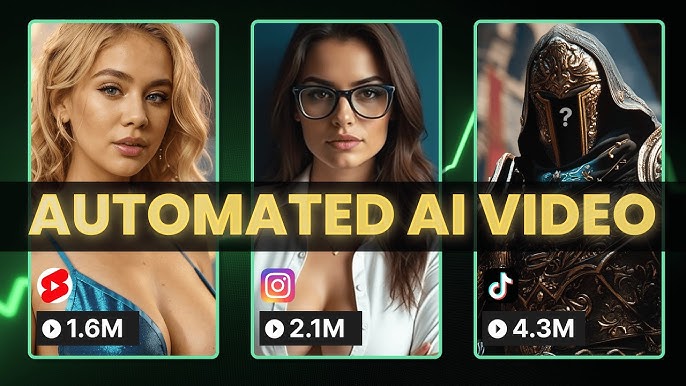
At the beginning of this year, the 404 media outlets exposed a red, real-crime murder video series on YouTube that was produced by AI as a whole. Even more ironic, the image of Chief Executive Officer Neal Mohan of YouTube was also forged by AI and used for fishing fraud on the platform, despite the fact that YouTube is equipped with a tool for users to report deep-false videos. YouTube tried to downplay the adjustment as a “light revision” or “rule clarification”, but the reality was that allowing such content to spread and to allow its creators to profit would eventually erode YouTube’s reputation and commercial values. Therefore, there is an urgent need for the Platform to establish a clear policy framework to pave the way for the future large-scale closure of the “Ai poor content” creators of the YPP plan.
