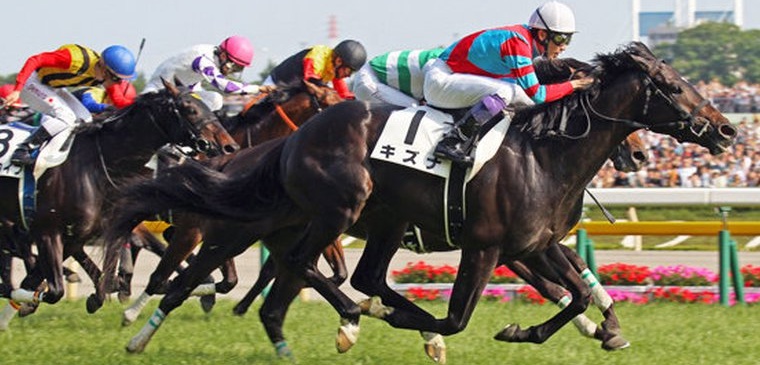
A cross-party organization of Japanese parliamentarians committed to the promotion of sport once again reiterates its opposition to the legalization of sports games. Special working groups have also been established to develop specific initiatives to prevent the manipulation of fruit and fruit, to prevent fraud and to protect athletes and judges from criminal organizations. The Working Group is committed to a full discussion of legislative approaches and mechanisms related to fraud prevention and is expected to enter into a full-fledged debate early next year. Under the current constitutional provisions of Japan, all gambling is illegal except for public competitions administered by the Government. The Government-supervised and authorized projects, including horse racing, bicycle racing, boat racing and motorcycle racing, are governed by the Government’s regulatory system. These publicly operated competition systems, which originated in the post-war reconstruction period, are designed to support government finances and are used for social welfare and public expenditure.
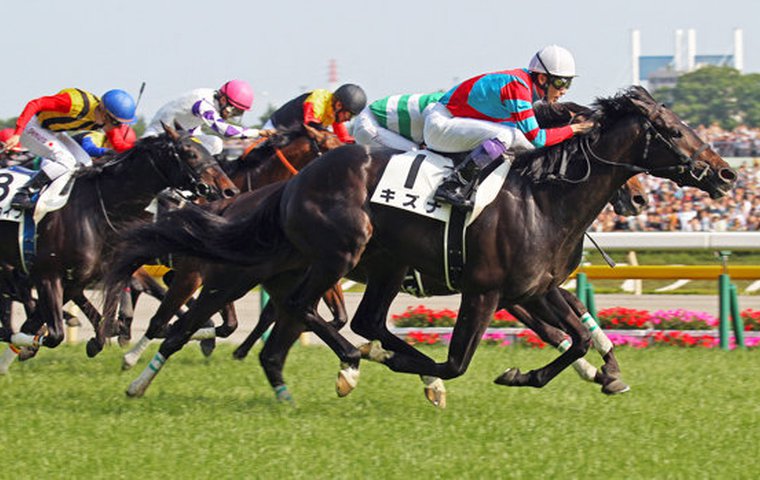
Parallel to the official ban, a large number of overseas websites offer Japanese-language interfaces to international and national sports events (including the J league) to provide hidden sports games. The Sport Ecosystems Promotion Council report shows that in 2024, Japanese participants placed about 6.5 trillion yen on offshore platforms, showing the size of a large underground market that is prohibited by law. According to Japanese media reports, many Japanese participants are not yet fully aware of the illegality of participating in overseas lottery, which reveals a gap between law enforcement challenges and public awareness of existing bans and cross-border lottery platforms. In 1949, a major sporting scandal had occurred in Japan, where several professional baseball players had been permanently expelled for involvement in manipulating the fruit of the game in connection with the organization of criminal gambling. Since then, professional sports organizations have strengthened the supervision of players to prevent the infiltration of lottery. To date, the risk of manipulation through race performance has increased as the spread of social media has made athletes more exposed to lottery. Recent cases have shown this vulnerability, including cross-border lottery cases in the field of football related to the J league, as well as related scandals involving important Japanese sports figures.

The proceedings of the seminar of the Sports Ecosystem Promotion Council show that multinational criminal groups in Europe illegally manipulate sports competitions in 44 countries. This transnational system of fraud further highlights the importance of international collaboration and domestic protection frameworks.
The former Minister for the Supervision of the Olympic Games of Japan, Minhiro Endo, stressed the need for well-established prevention mechanisms for the manipulation of fruit and fruit to protect the safety and justice of athletes and judges. The President of Japan’s Professional Baseball Organization, Sakahara, also sees illegal cross-border gambling as a risk that could undermine public confidence in sport. The Convention on the Manoeuvring of Sports Games, promulgated by the Council of Europe in 2019, is currently the only international legal convention aimed at combating the manipulation of professional sports and provides an international framework for States signatories to establish command centres to investigate the manipulation of sports and to share international intelligence. The former Minister of Justice of Japan stated that in the future, the Marcolin Convention would be used as a reference for the development of Japan-specific regulatory standards, taking into account Japan ‘ s competitive environment and national circumstances in order to advance the relevant legislative process.
